



- Services
- Historical Roof Restoration
Historical Roof Restoration - Historic Roofing Specialists
Historical Roof Restoration
Historic buildings tell the story of a place. Their roofs protect that story. Antebellum Roofworks provides historical roof restoration, historic roof repair, and historic roof replacement for architecturally significant homes and landmarks across Middle Tennessee. From slate and clay tile to copper and ornamental metal, our work balances historic roof preservation with modern construction strategy, protecting original character while ensuring long-term performance.
Based in Franklin, TN, we specialize in historical roofing systems that demand exact materials, proper roof assessment, and skilled craftsmanship. Our team works with owners, preservation consultants, and architects to restore historic roofs responsibly, without compromising authenticity.
Why Historic Roofs Deserve Care
Historic roofing systems were designed long before modern synthetic underlayments and mass-produced materials existed. Many historic roofs were engineered to last 75–150 years, relying on material density, overlap patterns, ventilation, and gravity rather than sealants or adhesives. Because of this, improper modern repairs are one of the leading causes of premature failure in historic roofs.
According to preservation guidance from the National Park Service, over 60% of historic roof failures are caused by incompatible replacement materials or improper installation techniques, not age alone. This is why historic roofing requires specialized knowledge of traditional materials, fastening systems, roof slope behavior, and moisture movement.
Historic roofs differ fundamentally from modern roofing systems:
- They were engineered to shed water through geometry, not sealants.
- Materials were selected to absorb, release, and regulate moisture naturally.
- Components were designed for incremental repair, allowing roofs to last generations.
- Longevity was prioritized over speed, cost, or ease of replacement.
When modern systems are applied to historic roofs without understanding these principles, moisture becomes trapped, structural decay accelerates, and failure timelines shorten dramatically. Preservation begins with knowledge.
Antebellum Roofworks approaches every historic roofing project with this preservation-first mindset, restoring performance while maintaining architectural integrity.
roofing
Our Services
Roofing Services
Our crews are trained in the latest safety protocols, material handling, and installation techniques. Each member is vetted, insured, and committed to getting the job done right the first time. We frequently complete OSHA-certified safety training and maintain up-to-date licenses.
- Roof Inspections
- Roof Repair
- Roof Replacement
- Residential Roofing
- Asphalt Shingle Roofing
- Shingle Certifications and Brands
- Commercial Roofing
- TPO Roofing
- EPDM Roofing
- Flat Roof Systems
- Metal Roofing
- Storm Damage
- Wind Damage
- Hail Damage
- Gutters
- Custom Sheet Metal
- Copper Roofing
- Bay Windows
- Chimney Caps
- Cupolas
- Finials & Spires
Understanding Historic Roof Systems
Historic roofs function as interdependent systems, where no component operates in isolation. Each element supports the performance of the whole.
A traditional historic roofing system includes:
- Structural framing, often heavier than modern framing to support dense materials
- Decking or board sheathing, typically spaced or solid-laid depending on material
- Minimal or absent underlayment, relying instead on overlap and drainage
- Primary roofing material, such as slate, tile, wood, or metal
- Integrated flashing systems, often fabricated on-site
- Decorative metalwork, which also manages water flow
Replacing a single component such as installing synthetic membranes beneath tile or slate can disrupt airflow, trap moisture, and introduce decay into framing and masonry. Understanding original intent is critical before intervention.
Why Historic Roofs Fail
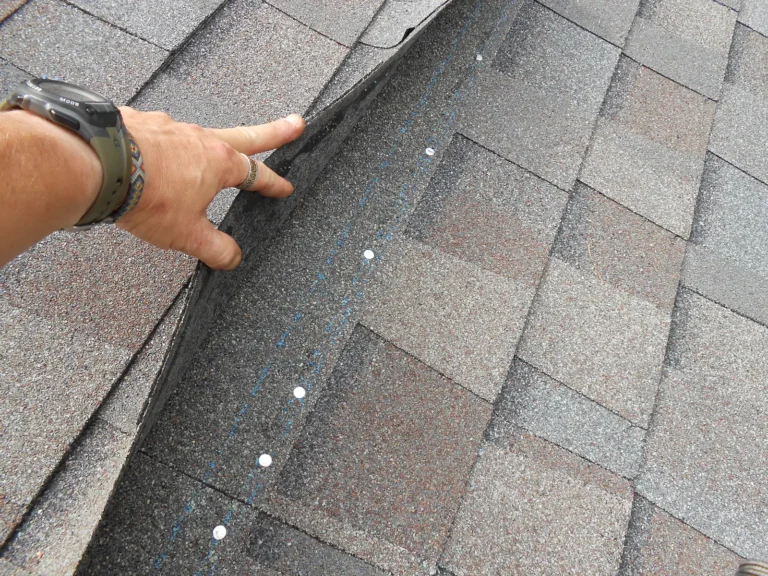
Historic roofs most often fail due to intervention errors, not material exhaustion.
Primary causes include:
- Introduction of modern sealants that prevent drying
- Replacement of breathable assemblies with sealed systems
- Loss of original drainage paths
- Deferred maintenance that allows minor issues to compound
- Repairs made without understanding original design intent
According to preservation case studies published by the Historic American Buildings Survey, improper repairs account for a majority of catastrophic historic roof failures.
What Kind of Historic Buildings Should Have Their Roofs Restored?
Historic roof restoration is appropriate for buildings where the roof is a defining architectural feature or where original materials remain intact. Restoring the roof helps preserve both structural integrity and historical significance.
Historic roof restoration is commonly recommended for:
- Historic homes and residences with original or early-period roofing materials
- Mansions and estate properties where slate, tile, copper, or wood roofing defines the roofline
- Churches and civic buildings featuring steep slopes, towers, or ornamental roofing details
- Historic commercial buildings constructed with tile, metal, or flat-lock roofing systems
- Properties listed on or eligible for historic designation, including local landmarks and nationally recognized sites
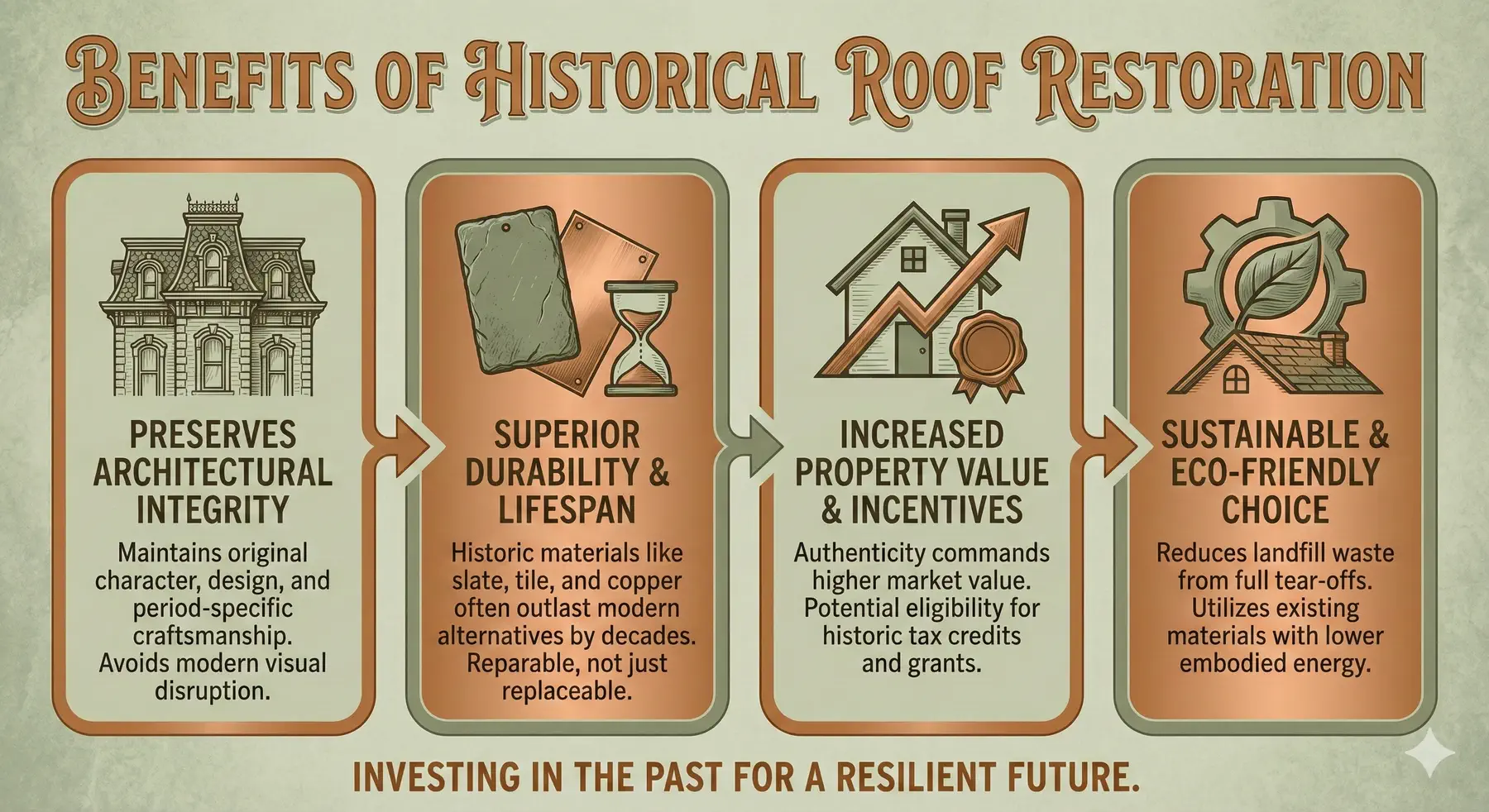
Restoring these roofs allows property owners to extend the life of original materials while maintaining the building’s architectural identity and long-term value.
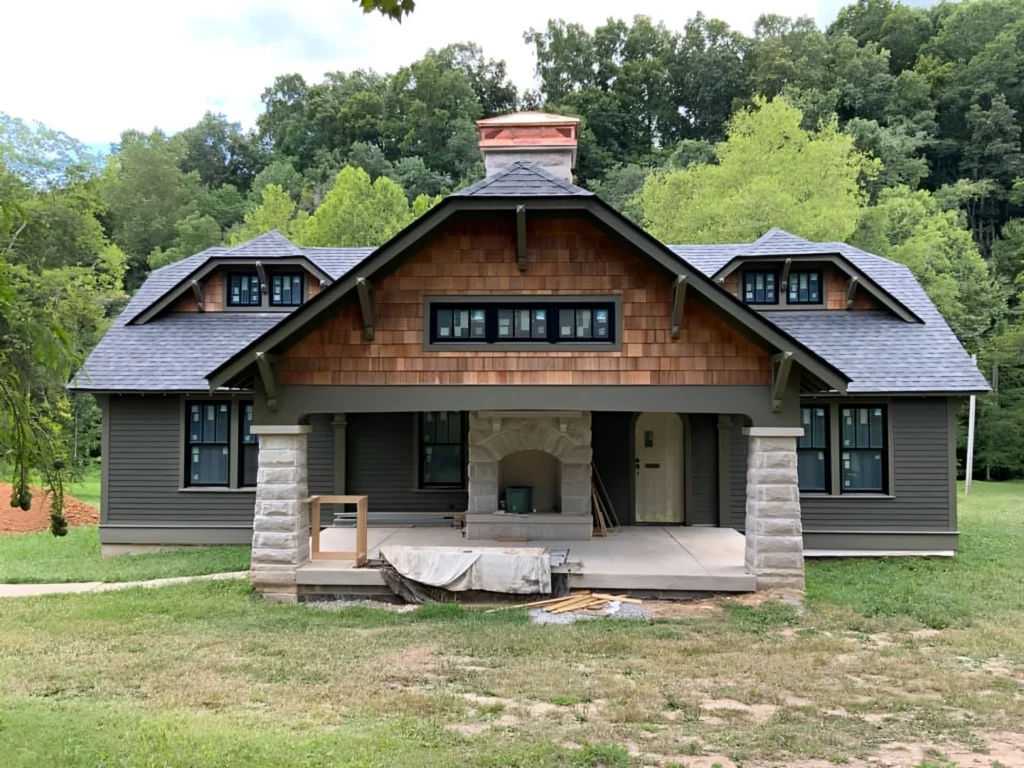
Protecting History With Roof Replacements
Not every project can be solved with repair alone. When a replaced roof is unavoidable, we design a historic roof replacement that mirrors the original roof in material, profile, and detail. This includes sourcing historic roofing materials, matching roof tiles, or fabricating copper and iron-based roofing material to period standards.
Using incompatible modern roofing materials on historic buildings can reduce property value and, in some cases, jeopardize historic designation status. Antebellum Roofworks ensures replacements remain visually and structurally consistent with the building’s historic period.
Why Customers Trust Antebellum Roofworks
Historic roofing requires specialized knowledge, proven craftsmanship, and respect for original construction methods. Antebellum Roofworks focuses exclusively on restoration strategies that protect architectural integrity while ensuring reliable roof performance.
- Specialized Historic Roofing Expertise: Our team works with slate, clay tile, wood shingles, copper, and ornamental metal systems using historically appropriate techniques.
- Preservation-Focused Approach: We prioritize repairing and retaining original materials whenever possible, avoiding unnecessary replacement that can compromise historic character.
- Material Accuracy and Compatibility: All replacement materials are carefully matched for size, profile, and appearance to ensure visual and structural consistency.
- Attention to Detail: From rooflines and chimneys to gutters and roof flashing, every detail is handled with care to preserve both function and design.
- Long-Term Performance: Our work balances traditional craftsmanship with modern construction standards to deliver durable, well-protected historic roofs.
- Client Satisfaction & Reputation: Consistently positive 5-star Google reviews reflect our commitment to quality workmanship, clear communication, and respect for historic properties.
When Should a Historic Roof Be Restored?
Historic roof restoration should be considered before widespread failure occurs. Warning signs include:
- Repeated roof leaks in the same locations
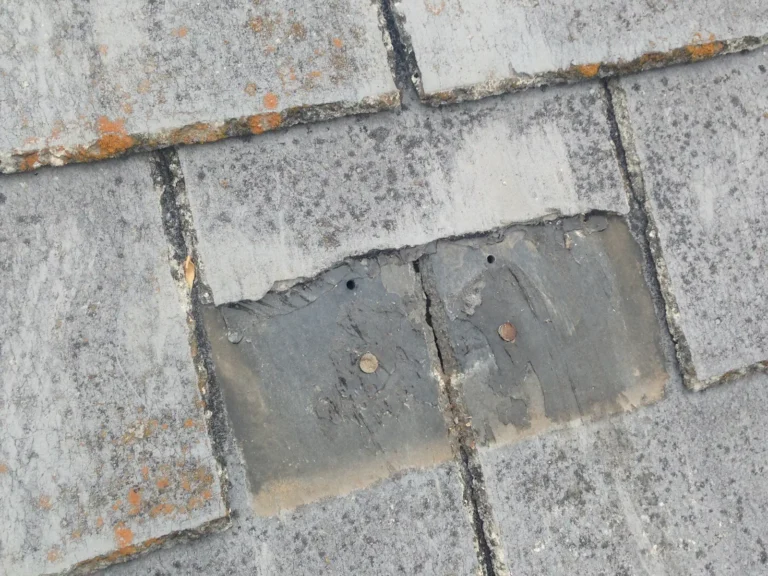
- Loose or slipping slates or tiles
- Corrosion at metal seams or flashing points
- Interior signs of moisture in attics or masonry
Studies from preservation agencies show that early restoration can reduce long-term repair costs by 30–50% compared to deferred replacement after structural damage occurs.
Our Historical Roof Restoration Process
Restoring a historic roof requires more than standard roofing methods. Our process is designed to protect original materials, respect architectural intent, and ensure long-term performance while meeting modern construction standards.
- Documentation & Proper Roof Assessment: We evaluate the roof structure, materials, drainage, and attic conditions to determine the most appropriate restoration path.
- Material Analysis and Sourcing: Existing roofing materials are analyzed and matched to ensure compatibility in appearance, performance, and longevity.
- Preservation-First Design: Restoration plans prioritize retaining original materials while integrating subtle modern improvements where necessary.
- Skilled Restoration or Replacement: Work is completed using period-appropriate techniques tailored to each historic roofing system.
- Final Inspection and Maintenance Guidance: A detailed roof inspection confirms proper installation, followed by maintenance recommendations to extend roof lifespan.
- Franklin, TN – Home of our main office and hundreds of successful roofing projects. A charming city known for its historic homes and vibrant community.
- Brentwood, TN – High-end roof replacements and storm response. Brentwood features upscale neighborhoods that demand premium craftsmanship and attention to detail.
- Spring Hill, TN – Growing communities and family homes. Our work supports rapid development and ensures long-term durability for growing households.
- Thompson’s Station, TN – Custom roofs for semi-rural and new-build areas. We work on scenic properties that blend rural charm with modern construction.
- Forest Hills, TN – Elegant residential properties and premium materials. Known for luxury estates, Forest Hills calls for high-end, custom roofing solutions.
Testimonials
What They’re Saying About Us
Frequently Asked Questions
Do historic homes in Franklin and Middle Tennessee require special approval for roof restoration?
Yes, many historic homes in Franklin and Middle Tennessee, especially those within designated historic districts require review or approval before roof work begins. Antebellum Roofworks helps property owners navigate local guidelines and ensures restoration plans align with preservation requirements.
Can original roofing materials be reused during historic roof restoration?
In many cases, yes. Slate, clay tile, wood shingles, and metal roofing can often be salvaged and reinstalled if they remain structurally sound. Reusing original materials helps preserve authenticity and is commonly recommended for historic homes in Middle Tennessee.
How do I know if my historic roof needs restoration or full replacement?
Signs such as recurring leaks, slipping tiles, corroded metal seams, or widespread material failure may indicate the need for restoration or replacement. A proper roof assessment by a historic roofing specialist is the best way to determine the appropriate solution.
What roofing materials are commonly used on historic properties in Middle Tennessee?
Historic properties in the Franklin and Middle Tennessee area often feature slate roofs, clay tile, standing-seam metal, copper, and wood shingles or shakes. The correct material depends on the home’s age, architectural style, and original construction.
Is historic roof restoration more expensive than standard roofing work?
Historic roof restoration typically costs more upfront due to specialized labor and materials. However, restoring original systems often extends roof lifespan significantly, making it a cost-effective long-term investment for historic property owners.
Does Antebellum Roofworks work with preservation architects or consultants?
Yes. Antebellum Roofworks regularly collaborates with preservation architects, consultants, and local review boards to ensure historic roofing projects meet both structural and preservation standards.
Can modern materials be used on a historic roof?
Modern materials may be incorporated beneath the surface to improve performance, but visible roofing elements are typically matched to the original roof. This approach maintains historic character while improving durability.
How long does a historic roof restoration project usually take?
Most historic roof restoration projects in Franklin and Middle Tennessee take 2 to 6 weeks, depending on roof size, material type, and condition. Complex slate, tile, or copper roofs with ornamental details may take longer due to the level of craftsmanship and material sourcing involved.
How long do restored historic roofs typically last?
When properly restored, historic roofs can last 40–100+ years, depending on the material. Slate and copper roofs often exceed 100 years, while clay tile and wood systems typically last 50–80 years with routine maintenance.
How often should a historic roof be inspected?
Historic roofs should be inspected at least once per year and after major storms. Regular inspections help catch minor issues early and can reduce long-term repair costs by 30–50%.
Get in Touch with Us
Antebellum Roofworks
222 Franklin Rd, Franklin, TN 37064
Monday: 7AM – 5PM
Tuesday: 7AM – 5PM
Wednesday: 7AM – 5PM
Thursday: 7AM – 5PM
Friday: 7AM – 5PM
Saturday: 7AM – 5PM
Sunday: Closed
Read Our Reviews on Google
Quality roofing provider
Connect With Us
Antebellum Roofworks
222 Franklin Rd, Franklin, TN 37064
(615) 794-9111
Mon–Sat: 7 AM – 5 PM
Find us on Google Maps
