
The Definitive Guide to Built-in Gutter Systems: Performance, Risks, and ROI
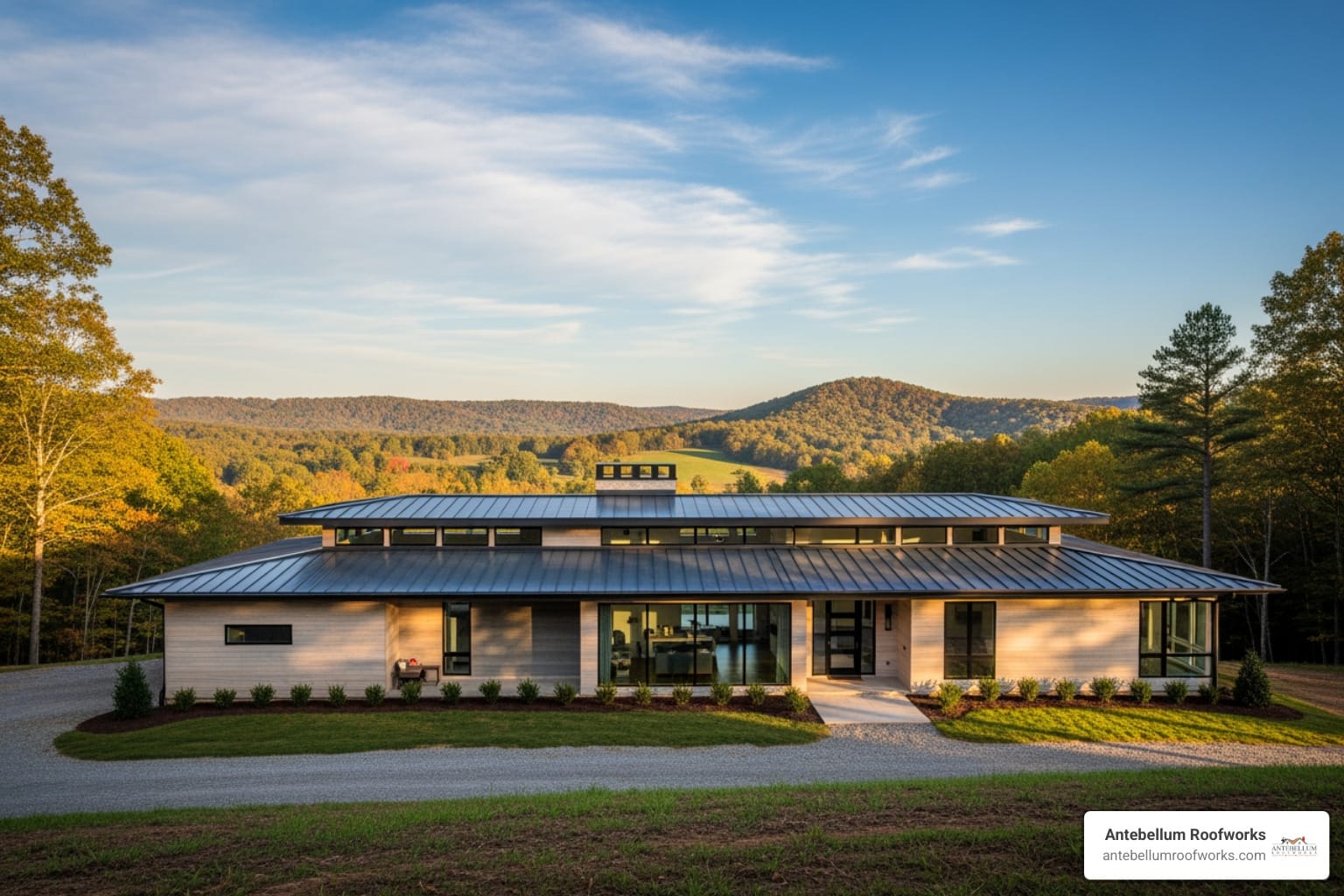
A built-in gutter system — also called a hidden or integrated gutter — is a water management channel built directly into the roof’s structure, concealed within the eaves rather than mounted on the exterior like a traditional gutter. For homeowners seeking professional roofing services in Middle Tennessee, understanding these systems is critical for long-term structural integrity.
Quick answer: How a built-in gutter system works
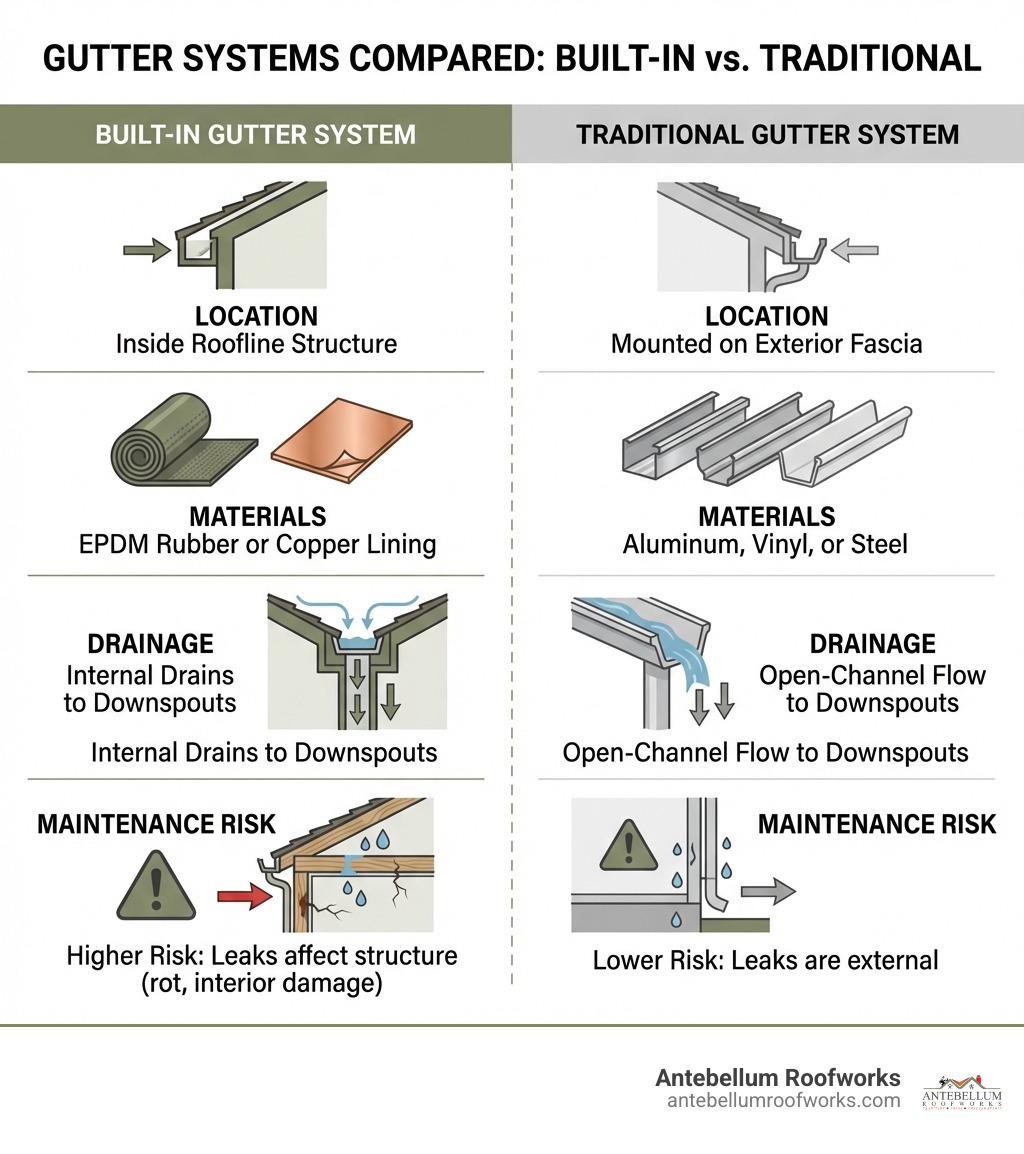
| Feature | Built-in Gutter | Traditional Gutter |
|---|---|---|
| Location | Inside the roofline structure | Mounted on exterior fascia |
| Visibility | Hidden from view | Visible from ground |
| Primary material | EPDM rubber or copper lining | Aluminum, vinyl, or steel |
| Drainage method | Internal drains to downspouts | Open-channel flow to downspouts |
| Maintenance risk | Higher — leaks affect structure | Lower — leaks are external |
| Aesthetic impact | Seamless roofline appearance | Visible hardware on exterior |
These systems are common on older, historic, and architecturally detailed homes across Middle Tennessee. While they offer a clean aesthetic, failure leads to internal structural damage. Statistics show that a 2,000-square-foot roof sheds approximately 1,250 gallons of water for every inch of rainfall; in a built-in system, any failure in the lining means this volume of water enters the home’s framing, often resulting in repair costs exceeding $5,000.
I’m Kevin Heithcock, owner of Antebellum Roofworks, and I grew up in the roofing business with 30 years of hands-on experience diagnosing exactly how built-in gutter systems fail and what it takes to restore them correctly. In the sections below, I’ll walk you through the engineering, the warning signs, and the standards that separate a lasting installation from a costly mistake.
Precision Engineering: The Anatomy of a High-Performance Built-in Gutter
A built-in gutter system is a structural trough framed into the roof’s edge and lined with a waterproof membrane to manage high-volume rainwater runoff. Unlike a standard K-style gutter that hangs from brackets, a built-in system is essentially a vessel framed by wood at the edge of the roof.
The design relies on several critical components working in harmony. First, the trough framing must be sloped correctly. According to industry standards, gutters should slope at least 1/16 inch per foot of run to provide positive drainage. Without this pitch, water stands in the trough, leading to premature material failure.
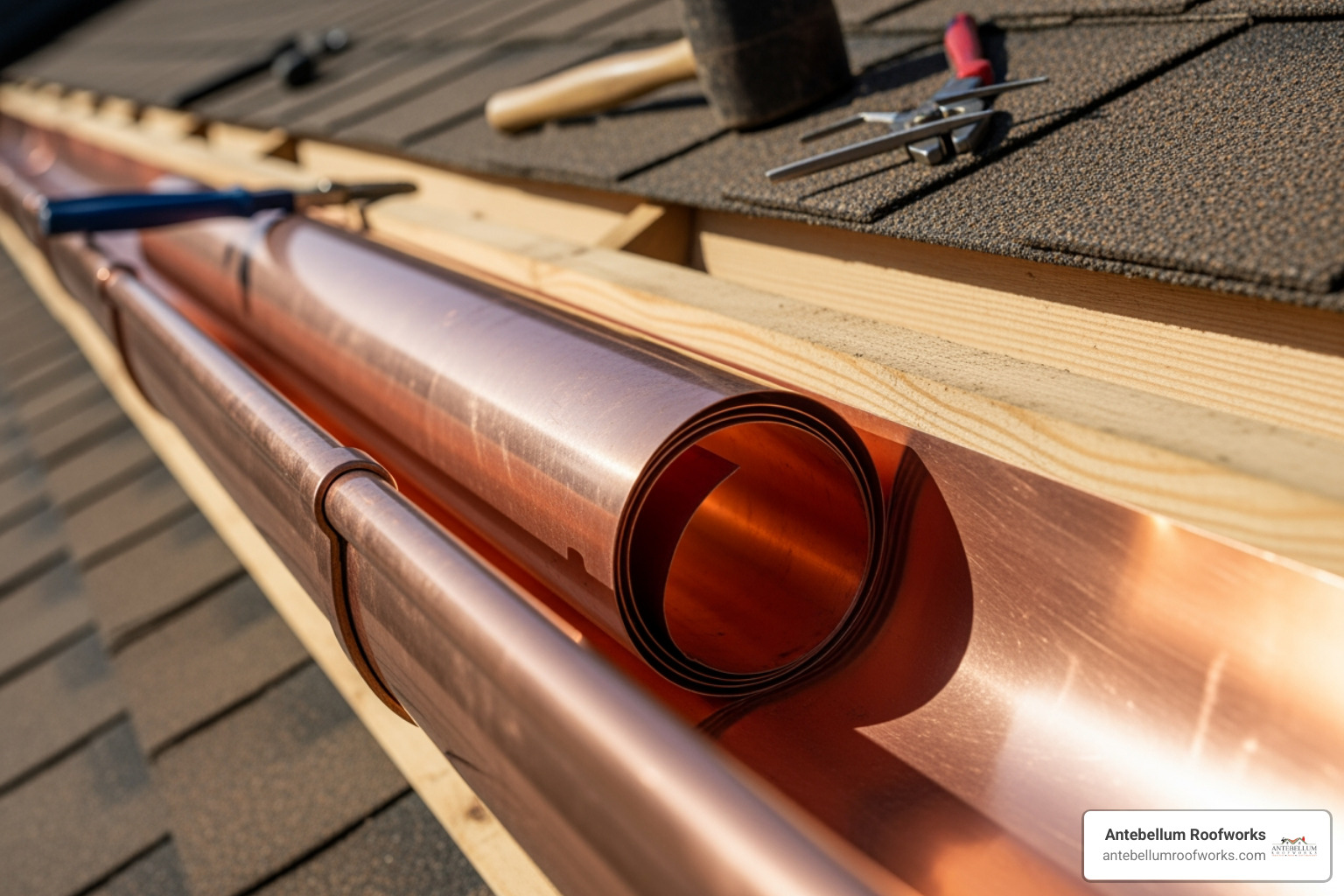
The lining is the heart of the system. We often see older homes in Franklin, TN utilizing high-end copper linings, which offer incredible longevity when installed with precision. For modern applications or repairs, thick EPDM rubber membranes are frequently used. To finish the system, a “cap flashing” (often 26-gauge custom-fabricated metal) is installed over the top edge of the fascia board. This protects the wood from splashback and ensures water flows directly into the trough.
When we provide expert roofing services in Middle Tennessee, we emphasize that the integration between the roof’s underlayment and the gutter lining must be seamless. As noted in Architectural Details: Gutters and Downspouts, the inner edge of the gutter lining should finish no less than 2 inches (and ideally more) above the outside edge to prevent water from backing up into the attic space during heavy downpours.
Common Materials in a Built-in Gutter System
The materials chosen for your built-in gutter system dictate how often you’ll be calling us for repairs. In our experience, using thin or “builder-grade” materials in a hidden system is a recipe for disaster.
- 26-Gauge Metal Cap Flashing: This is the “lid” that protects your fascia. We use custom-fabricated 26-gauge metal secured with hidden fasteners. Thinner 28-gauge metals often warp or rust through, allowing water to rot the structural wood beneath.
- 0.060 mil EPDM: This is a heavy-duty rubber membrane. While some contractors use 0.045 mil, the thicker 0.060 mil provides better resistance to UV rays and temperature fluctuations common in Tennessee.
- Cold-Rolled Copper: The gold standard for historic homes. Copper is naturally corrosion-resistant and handles thermal expansion well, provided it is installed in sheets no longer than 10 feet without longitudinal seams.
- Stainless Steel: Occasionally used in modern commercial applications for its extreme durability and resistance to acidic rain.
| Material | Expected Lifespan | Maintenance Needs | Best Use Case |
|---|---|---|---|
| Copper | 50+ Years | Low (Patina protects) | Historic & Luxury Homes |
| 0.060 mil EPDM | 20-30 Years | Medium (Seam checks) | Modern Residential |
| Stainless Steel | 40+ Years | Low | High-Corrosion Areas |
| Aluminum | 15-20 Years | High (Expansion issues) | Budget-conscious repairs |
Strategic Analysis: Advantages and Structural Risks of Hidden Drainage
The primary advantage of a built-in gutter system is the preservation of architectural sightlines, while the primary risk is the potential for internal structural water damage. On a historic Victorian or a sleek modern home, a bulky aluminum gutter can ruin the “sight lines.” Hidden gutters preserve the architect’s original vision, making the roofline appear sharp and unobstructed.
Beyond looks, these systems offer superior wind resistance. Since they are integrated into the structure, there are no brackets to pull loose during the severe storms we often see in Middle Tennessee. However, these benefits come with significant trade-offs.
The most glaring disadvantage is the structural risk. In a traditional system, if a gutter clogs, water spills over the front onto the grass. In a built-in gutter system, an overflow or a pinhole leak can send thousands of gallons of water directly into your soffits, fascia, and interior walls. As highlighted by Gutters and Downspouts, managing this runoff is vital because a few inches of rain can produce massive amounts of water that will quickly find any weakness in a hidden system.
Performance of a Built-in Gutter System in Cold Climates
While we don’t deal with the extreme winters of the North, Franklin, TN and the surrounding areas do experience freeze-thaw cycles that can wreak havoc on hidden gutters.
The biggest threat is the ice dam. When snow melts on the upper part of the roof and refreezes in the gutter trough, it creates a dam. Subsequent melt-water then pools behind the ice. In a built-in system, this standing water can easily rise above the vertical sealed height of the membrane (which should be at least 6 inches or 150 mm according to industry standards).
Thermal expansion is another factor. Materials like copper and EPDM expand and contract as temperatures swing from freezing nights to sunny afternoons. If the system doesn’t have proper expansion joints—especially near corners and downspouts—the seams will eventually pull apart, leading to leaks that are difficult to spot until the interior damage is already done.
Diagnostic Indicators: Identifying Failure in Integrated Gutter Systems
Identifying failure in a built-in gutter system requires monitoring for secondary symptoms like fascia discoloration and soffit paint failure, as the primary drainage channel is not visible from the ground. Because these gutters are “hidden,” you have to be a bit of a detective to know when they are failing.
We tell our clients to look for “tiger stripes” or dark discolouration on the fascia boards. This is often the first sign that water is getting behind the cap flashing. Another major red flag is peeling paint on the soffits (the underside of your eaves). If the paint is bubbling or falling off, there is moisture trapped inside the wood.
If you notice interior water stains on your ceilings or the tops of your walls, don’t wait. This often means the gutter trough has failed completely, and water is migrating past the wall plate and into your living space. For a detailed breakdown of what to look for, check our guide on Gutters.
Identifying Failure in a Built-in Gutter System
When we perform an inspection, we look for four “silent killers” of built-in gutters:
- Deteriorating Seams: Most leaks occur at the corners or where two sheets of material meet. We look for cracked caulking or “tenting” in EPDM membranes where the rubber has shrunk and pulled away from the substrate.
- Undersized Drains: Many older systems used 2-inch drains. We recommend upgrading to 3-inch copper drains. A larger drain handles debris much better and reduces the risk of a backup.
- Top-Nailed Flashing: If a previous installer drove nails through the top of the cap flashing, they created a direct path for water to enter the wood. Flashing should always be secured with hidden fasteners or specialized “S-lock” joints.
- Stagnant Water: If we see standing water during a dry day, the trough wasn’t sloped correctly. This “ponding” water eventually eats through even the best membranes.
Technical Standards for Professional Installation and Long-Term Maintenance
Professional installation of a built-in gutter system requires a minimum slope of 1/16 inch per foot and the use of high-durability membranes like 60-mil EPDM or cold-rolled copper. This is not a DIY project, nor is it a job for a standard roofing crew. It requires specialized metal fabrication and membrane bonding skills.
Proper installation starts with the substrate. We ensure the wood trough is solid and sloped at the required 1/16 inch per foot. We then install a high-quality membrane, such as 60-mil EPDM or copper. For drainage, we prefer 3-inch copper drains soldered to a flange or mechanically fastened to the membrane.
One of our “best practices” is the installation of cleanout boxes. These are installed on the downspouts at an accessible height, allowing you to clear debris that has made its way into the pipes without having to climb onto the roof. This is a small addition that saves homeowners thousands in plumbing and drainage repairs over the life of the system. We also ensure that downspouts terminate at least 5 feet from the foundation to prevent soil saturation and foundation issues.
Maintenance Best Practices for Longevity
Think of your built-in gutter system like your teeth—regular checkups prevent “root canals” (or in this case, a $10,000 structural repair).
- Semi-Annual Cleaning: You should have your gutters cleaned at least twice a year, typically in the spring and fall. In Middle Tennessee, where we have heavy foliage, some homes may need it every three months.
- Debris Traps: Install high-quality “baskets” or debris traps over the drains. We often secure these with a bit of roof tar to ensure they don’t shift during heavy storms.
- Professional Inspection: Every two years, have a professional check the seams and the cap flashing. We look for small cracks in sealants that a homeowner might miss.
- Seam Sealing: If we find a minor issue, we can often apply uncured EPDM patches or high-grade bonding materials to extend the life of the system without a full replacement.
Expert Insights: Frequently Asked Questions on Built-in Gutter Systems
How much does it cost to replace a built-in gutter system?
Replacing a built-in gutter system typically starts at $5,000 and can exceed $15,000 for large or historic homes. The price depends on the material (copper is more expensive than EPDM), the amount of rotted wood that needs replacing, and the complexity of the roofline.
What is the lifespan of a built-in gutter?
With high-quality materials and professional maintenance, an EPDM system can last 20 to 30 years. A properly installed copper system can last 50 years or more. However, a neglected system can fail in as little as 5 to 10 years if clogs lead to standing water and rot.
Can I convert built-in gutters to traditional gutters?
Yes. If the cost or risk of a built-in gutter system is too high, we can “cap” the existing trough. We fill the trough, extend the roofing material over the edge, and then install traditional seamless aluminum gutters on the exterior fascia. This is a popular option for homeowners who want to modernize their drainage while reducing maintenance stress.
Securing Your Investment with Certified Gutter Solutions
A built-in gutter system is a beautiful, sophisticated way to protect your home from the elements, but it is not a “set it and forget it” solution. Because these gutters are integrated into your home’s bones, they require a level of care and expertise that traditional gutters simply don’t.
At Antebellum Roofworks, we pride ourselves on being the local experts in Middle Tennessee for these complex systems. Whether you have a historic home in downtown Franklin or a modern estate, our team provides certified workmanship and an industry-leading warranty to give you peace of mind.
Don’t wait for a water stain to appear on your ceiling. If you suspect your hidden gutters are failing, or if it’s just been a while since they were inspected, give us a call.
Schedule a professional gutter inspection with Antebellum Roofworks today or call us directly at (615) 794-9111. We’re here to help you protect what matters most.